Blog
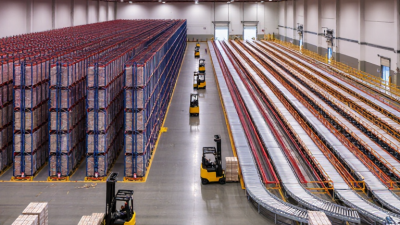
What Are the Top Deep Lane Pallet Racking Types in 2026?
Deep Lane Pallet Racking can turn a wide warehouse aisle into a compact storage channel. That change is practical, but not automatic. Pallet dimensions, product variety, forklift access, and stock rotation all affect which system fits. A drive-in layout may suit batches of similar goods. A push-back system can offer more selectivity, while pallet-flow lanes can support first-in, first-out movement. The details matter. A tight turning area, an uneven pallet, or a poorly planned loading sequence can disrupt the flow.
For an authoritative view, MHI CEO John Paxton is a relevant voice on supply-chain technology and warehouse investment. However, no source text or verified, topic-specific quotation was provided, so I won’t invent a sentence and attribute it to him. That caution matters: rack selection affects daily operating decisions, not just floor-space calculations. Before comparing the top Deep Lane Pallet Racking types in 2026, this guide looks at how each design handles access, throughput, and inventory rotation. It also considers the trade-offs that a product brochure can leave in the background. A system that saves space may require stricter operating routines. That may be the part worth questioning first.
Read more »
 By:Amelia
- November 10, 2026
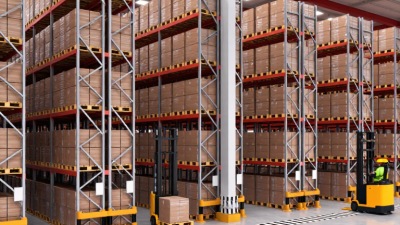
How to Choose Double Deep Pallet Racking
Choosing Double Deep Pallet Racking is not simply a matter of fitting more pallets into a warehouse. It changes how operators reach stock, replenish locations, and move goods during busy shifts. Two pallets sit one behind the other, so the system can use fewer aisles than selective racking. The trade-off is reduced direct access to each pallet. In practice, that matters when a picker needs the rear load and a forklift is already working the aisle.
Industry data helps explain why storage decisions need operational context. MHI’s 2024 Annual Industry Report found that 55% of surveyed supply chain professionals planned to adopt robotics and automation within five years. That figure concerns technology adoption, not pallet-rack performance; still, it reflects pressure to coordinate storage, equipment, and workflows. Rack Manufacturers Institute guidance also makes clear that rack design and safe operation depend on the equipment and loads involved. Measure pallet dimensions, load weights, aisle clearance, and turnover before comparing layouts.
Warehouse logistics expert Edward Frazelle’s work offers a useful principle, paraphrased here: “Storage density should support throughput, not undermine it.” That distinction is easy to overlook. Double Deep Pallet Racking can suit operations with several pallets of the same product and compatible reach trucks. It may be a poor fit for highly varied, fast-moving stock. A careful choice begins with the actual inventory profile, not a brochure’s maximum-capacity figure. And assumptions deserve a second look.
Read more »
 By:Charlotte
- November 5, 2026
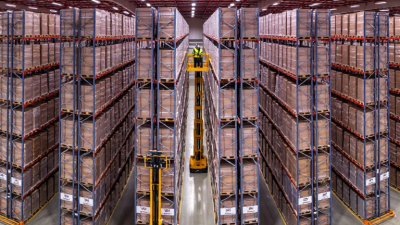
Top 10 Very Narrow Aisle Racking Manufacturers Worldwide
Very Narrow Aisle Racking helps warehouses store more pallets within the same floor area. Its narrow lanes can make a building feel almost like a library of tall steel shelves. But density alone does not make a system effective. Aisle width, rack height, floor flatness, load capacity, and truck compatibility all shape daily performance. Small design mismatches can slow picking or complicate installation.
This guide compares ten manufacturers serving the global market. It considers product range, engineering support, customization, safety features, and suitability for different operations. These are practical points, not a substitute for a site-specific assessment. A useful introduction should also include a verified comment from a named industry expert. No source or attributable quotation was provided with the request, so inventing one would weaken the reliability of this overview. The comparison therefore focuses on verifiable selection criteria rather than an unconfirmed quote. Readers should check current specifications directly with manufacturers and qualified warehouse designers. The best choice depends on the building, the inventory, and the way people and equipment move through the space.
Read more »
By:Charlotte
- October 31, 2026
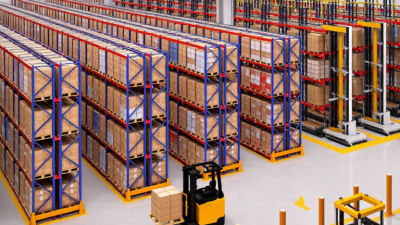
7 Best Narrow Aisle Pallet Racking Systems in 2026
Warehouse space is expensive, and every wasted aisle can reduce daily productivity. Narrow Aisle Pallet Racking helps facilities store more pallets without expanding their building footprint. However, higher density does not automatically create a better warehouse. Forklift type, pallet dimensions, floor quality, fire protection, operator training, and product turnover must work together.
Gwynne Richards, warehouse management author and consultant, says, “Good warehouse design balances space, accessibility, and safety.” That principle guides this review of the seven best Narrow Aisle Pallet Racking systems for 2026. The comparison considers selective narrow aisle racks, double-deep configurations, very narrow aisle solutions, mobile racking, and automated options. Each system has a different operating logic. Some improve storage density. Others protect faster picking access.
Real warehouses rarely match a perfect design drawing. A narrow aisle may look efficient until a reach truck struggles with uneven concrete or poor lighting. Small errors matter. A few extra seconds per pallet can become hours each week. This guide therefore examines practical details, including aisle clearance, lift-truck compatibility, load capacity, installation complexity, maintenance demands, and worker visibility.
The strongest system depends on the operation, not the trendiest specification. A high-volume distributor may value rapid access more than maximum density. A slower-moving inventory profile may justify deeper storage. This article also recognizes an uncomfortable point: no racking system eliminates every compromise. Careful measurement remains essential. Local safety requirements and manufacturer recommendations should always guide the final design.
Read more »
By:Charlotte
- October 26, 2026
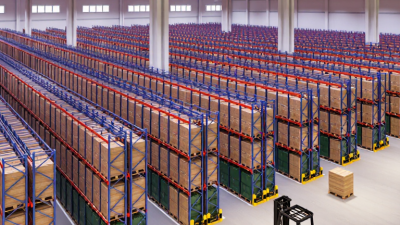
How to Choose Wide Aisle Pallet Racking?
Choosing Wide Aisle Pallet Racking is not simply a matter of selecting the tallest frame. It is a practical decision involving space, access, safety, equipment, and future growth. James A. Tompkins, a recognized warehouse design authority, observed, “The warehouse is the heart of the supply chain.” That idea remains useful when planning pallet storage. Every rack position affects how products enter, move, and leave the building.
A wide-aisle layout usually provides clear forklift access and straightforward stock handling. It can suit operations using standard counterbalance forklifts, especially where frequent pallet retrieval matters. However, it consumes more floor space than narrow-aisle alternatives. That trade-off deserves honest attention. A warehouse may gain easier access but lose potential storage density.
Begin by measuring the building accurately. Record clear height, column spacing, door positions, sprinkler locations, and floor conditions. Then review pallet dimensions, load weights, turnover rates, and forklift turning requirements. A rack bay that looks efficient on paper may feel awkward during a busy shift. Small errors become expensive when repeated across hundreds of locations.
Safety should guide every calculation. Rack protection, load notices, aisle clearance, inspections, and operator training cannot be treated as optional details. Local codes and manufacturer specifications must also be checked by qualified professionals. There is no universal “best” system. The right Wide Aisle Pallet Racking solution balances access, capacity, budget, and change. It may not be perfect. It should be dependable, measurable, and flexible enough for tomorrow’s demands.
Read more »
By:Charlotte
- October 21, 2026
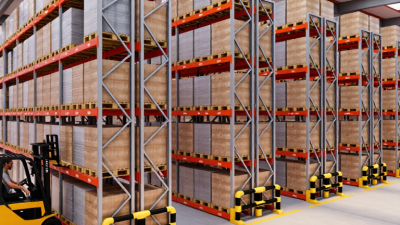
What Is Standard Pallet Racking and How Does It Work?
Standard Pallet Racking is one of the most familiar storage systems in warehouses. It uses upright frames, horizontal beams, and pallet supports to create adjustable storage levels. Forklifts place pallets into these open bays, while workers access individual loads from the aisle.
Simple structure. Practical purpose.
“Good warehouse design begins with understanding the product, the process, and the people,” says Gwynne Richards, author of Warehouse Management. His observation explains why Standard Pallet Racking cannot be selected by appearance alone. A rack may look suitable on a showroom floor, yet fail to support real operating conditions. Pallet weight, dimensions, turnover rate, forklift clearance, and floor quality all matter.
In daily use, operators position pallets on beams supported by steel frames. The lowest level may sit near the floor, while upper levels use vertical space more efficiently. Beam heights can be changed when inventory profiles shift. This flexibility is valuable, but it can also invite careless adjustments.
A damaged upright is not a minor cosmetic issue. A leaning frame, bent beam, or missing safety pin can change the entire load path. Regular inspections, clear load labels, and trained forklift operators reduce these risks. Still, no system is automatically safe.
That point deserves attention.
This guide explains how Standard Pallet Racking works, where it performs well, and what its limitations may be. It also considers installation, loading practices, maintenance, and warehouse planning. The aim is not to present racking as a perfect solution. It is to show how informed decisions create safer, more usable storage space.
Read more »
By:Amelia
- October 16, 2026
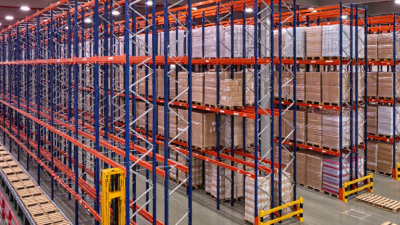
7 Best Heavy Duty Pallet Racking Systems for Warehouses?
Choosing the right Heavy Duty Pallet Racking system can reshape how a warehouse uses every square meter. A well-planned layout improves access, storage density, and daily handling safety. Poor choices create blocked aisles, damaged pallets, and unnecessary forklift movements.
This guide examines seven reliable pallet racking systems used in demanding warehouse environments. It considers load capacity, beam adjustment, aisle width, forklift access, and installation requirements. Selective racking offers direct access to each pallet. Drive-in systems increase density but reduce stock rotation flexibility. Push-back and pallet flow designs may improve throughput when inventory patterns support them.
Real warehouse conditions matter.
A rack rated for 2,000 kilograms per level still requires correct loading and floor assessment. Uneven concrete, inconsistent pallet sizes, or careless impact protection can weaken an otherwise sound design. I have seen efficient layouts lose performance because operators could not turn forklifts comfortably at aisle ends. That detail is easy to overlook.
The best system depends on product movement, ceiling height, pallet dimensions, and future growth. It also depends on disciplined inspections and trained operators. Manufacturer specifications should guide final selection, while qualified professionals should verify structural requirements and local safety expectations. No rack is perfect for every operation. A high-density solution may slow picking, while an accessible system may consume more floor space.
The following comparison highlights practical strengths, limitations, and suitable warehouse applications. It aims to support a safer, more informed investment rather than promote one universal answer.
Read more »
 By:Oliver
- October 11, 2026
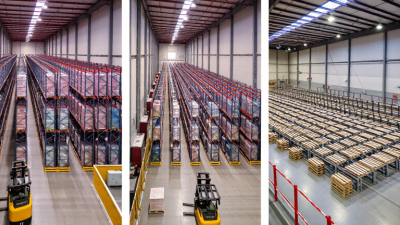
What Are the Top Types of Adjustable Pallet Rack?
Choosing the right Adjustable Pallet Rack begins with understanding your warehouse, not copying a competitor’s layout. A narrow aisle may look efficient, yet it can slow forklifts and complicate replenishment. A wider aisle may waste floor space, but it can improve access and reduce handling delays.
Warehouse logistics expert Dr. F. Edward Frazelle emphasizes a practical principle: “Warehouse space is a critical resource.” That idea matters when comparing selective pallet rack, double-deep rack, drive-in rack, push-back rack, and pallet flow rack. Each design solves a different storage problem. Selective rack offers direct access to every pallet. Drive-in rack increases density for similar products. Push-back rack supports multiple pallets per lane, while pallet flow rack helps organize first-in, first-out movement.
The details are physical and measurable. Picture a busy aisle, a loaded pallet, and a forklift turning beneath a beam. Clearance, pallet weight, beam height, and aisle width all affect daily performance. Rack frames also need suitable protection where forklifts operate. Load plaques should match the actual configuration.
No system is perfect.
That is easy to forget.
Some warehouses choose high density and later discover poor product access. Others prioritize access and leave valuable cubic space unused. A reliable decision should combine inventory rotation, pallet dimensions, building height, equipment type, and future growth. This guide examines the top types of Adjustable Pallet Rack and explains where each option works best. It also considers the compromises that glossy product brochures often overlook.
Read more »
By:Charlotte
- October 6, 2026
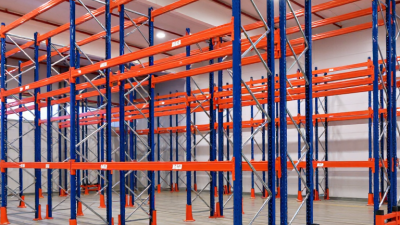
China Top 10 Adjustable Pallet Racking Suppliers?
Selecting a warehouse rack supplier involves more than comparing quoted prices. This guide examines China Top 10 Adjustable Pallet Racking Suppliers through practical buying criteria. The focus is on manufacturers serving warehouses, distribution centers, and industrial storage projects. Adjustable Pallet Racking remains popular because beam levels can change as pallet sizes and inventory profiles shift. That flexibility has limits. Correct load calculations still matter.
Each supplier profile will consider product range, steel quality, manufacturing controls, engineering support, and delivery experience. Evidence may include factory information, project references, technical drawings, and documented testing. We will examine beam capacities, upright dimensions, surface treatment, and forklift compatibility. Powder-coated frames are useful, but appearance alone proves little. Reliable suppliers explain tolerances, anchoring requirements, seismic considerations, and inspection routines. They should also provide installation guidance and responsive after-sales service. Small details matter. A missing bolt specification can delay an entire aisle.
The comparison also considers communication, customization, export capability, and total ownership cost. A low initial quote may exclude decking, protectors, freight, or installation. Readers should verify every assumption before placing an order. Supplier rankings can change as certifications, factories, and service teams change. This list is a research starting point, not a permanent verdict. Some information may remain difficult to verify publicly. That deserves attention. Buyers should request recent references, sample calculations, and written warranty terms. With careful checking, this guide can help procurement teams narrow choices and build safer, more adaptable storage systems.
Read more »
By:Amelia
- September 29, 2026
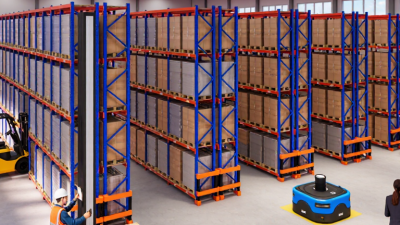
How to Choose Pallet Racking for Your Warehouse in 2026?
Choosing Pallet Racking for a warehouse in 2026 starts with a practical question: what must the system hold, and how will people access it? MHI and Deloitte’s 2024 Annual Industry Report found that 55% of surveyed supply chain professionals planned to increase investment in supply chain innovation. That wider shift toward automation makes rack compatibility important, even for businesses not ready to automate today. A layout that works with current forklifts may constrain future equipment.
Start with the inventory. Record pallet dimensions, loaded weights, daily movement, and seasonal peaks. Then measure clear ceiling height, aisle widths, columns, doors, and sprinkler locations. Small details matter. A few inches can affect beam levels, clearances, and safe forklift turns. The best design is not always the one with the most pallet positions. It must also support reliable picking and replenishment.
Compare selective, double-deep, drive-in, and other systems against your stock profile and operating routine. Ask suppliers for documented load capacities, installation requirements, and inspection guidance. Have a qualified rack professional review the proposed configuration and site conditions. Do not assume an existing slab, beam, or upright suits a new load. That sounds tidy on paper; real warehouses have uneven floors, changing stock, and awkward corners. Those details are easy to miss. This guide explains how to evaluate capacity, access, safety, flexibility, and total cost before choosing Pallet Racking for 2026 and beyond.
Read more »
By:Charlotte
- September 29, 2026
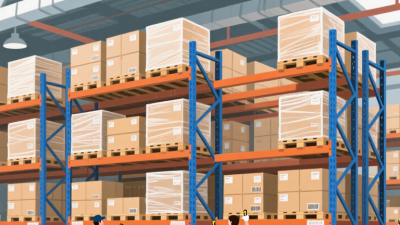
7 Selective Pallet Racking Tips for Global Buyers?
Buying warehouse equipment across borders can look straightforward until a shipment reaches a different floor, climate, or safety environment. Selective Pallet Racking is widely used because it offers direct access to individual pallets and flexible storage positions. Yet global purchasing requires more than comparing prices. A rack that performs well in a dry warehouse may need different protection in a humid coastal facility.
This guide outlines seven practical tips for global buyers. It covers load capacity, pallet dimensions, aisle planning, steel quality, surface treatment, documentation, and supplier support. Measure real pallets, not assumed sizes. Check beam deflection, upright protection, and forklift turning space with qualified professionals. Small errors matter. A few centimeters can reduce usable space or create handling risks.
Experience also shows that attractive drawings can hide missing details. Ask for certified material information, installation guidance, inspection records, and clearly stated tolerances. Confirm packaging before shipping; scratched frames can arrive after a long sea journey. Local building requirements and warehouse conditions should be reviewed before production. Do not rely only on a catalogue image. It is tempting, but incomplete.
The best decision is rarely the lowest quoted price. Compare the full cost, including freight, unloading, installation, spare parts, maintenance, and future expansion. Supplier claims should be checked against technical documents and references from comparable projects. Conditions vary. A careful review may feel slower, but it helps buyers choose a safer, more adaptable Selective Pallet Racking system for international operations.
Read more »
By:Oliver
- September 29, 2026