[email protected] Exporting racking systems to 85+ countries
CE · ISO 9001 · ISO 14001 · TUV English
0%

Buying warehouse equipment across borders can look straightforward until a shipment reaches a different floor, climate, or safety environment. Selective Pallet Racking is widely used because it offers direct access to individual pallets and flexible storage positions. Yet global purchasing requires more than comparing prices. A rack that performs well in a dry warehouse may need different protection in a humid coastal facility.

This guide outlines seven practical tips for global buyers. It covers load capacity, pallet dimensions, aisle planning, steel quality, surface treatment, documentation, and supplier support. Measure real pallets, not assumed sizes. Check beam deflection, upright protection, and forklift turning space with qualified professionals. Small errors matter. A few centimeters can reduce usable space or create handling risks.

Experience also shows that attractive drawings can hide missing details. Ask for certified material information, installation guidance, inspection records, and clearly stated tolerances. Confirm packaging before shipping; scratched frames can arrive after a long sea journey. Local building requirements and warehouse conditions should be reviewed before production. Do not rely only on a catalogue image. It is tempting, but incomplete.

The best decision is rarely the lowest quoted price. Compare the full cost, including freight, unloading, installation, spare parts, maintenance, and future expansion. Supplier claims should be checked against technical documents and references from comparable projects. Conditions vary. A careful review may feel slower, but it helps buyers choose a safer, more adaptable Selective Pallet Racking system for international operations.
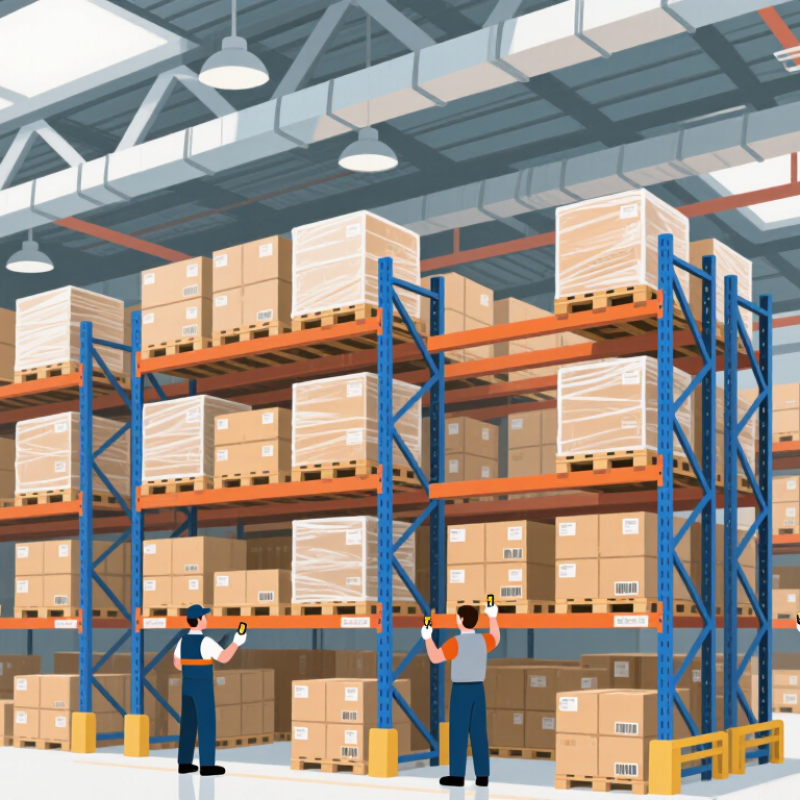
7 Selective Pallet Racking Tips for Global Buyers?

Understanding Selective Pallet Racking and Its Global Applications

7 Selective Pallet Racking Tips for Global Buyers

Understanding Selective Pallet Racking and Its Global Applications

Selective pallet racking stores pallets on adjustable beams, giving each load direct aisle access. It suits warehouses with many product types and frequent stock rotation.

Tip 1: calculate pallet weight, height, and dimensions before selecting frames.

Tip 2: match aisle width to the handling equipment, not an idealized layout. Small errors reduce usable capacity.

Tip 3: check regional conditions. Seismic zones, humidity, temperature, and floor quality affect rack design. Galvanized components can help in damp coastal warehouses.

Tip 4: confirm compatibility with local engineering and fire-safety requirements. Standards differ across markets. That matters.

Tip 5: leave clearances around pallets, sprinklers, columns, and truck paths. A crowded bay may look efficient but operate poorly.

MHI’s 2024 Annual Industry Report reported that 83% of supply-chain professionals viewed innovation as important, while 55% planned to increase technology investment. Selective racking remains relevant because it can expand gradually without demanding full automation.

Tip 6: reserve space for future beam levels, software visibility, or automated equipment.

Tip 7: inspect frames, anchors, beams, and labels regularly. A damaged upright should not wait for the next audit.

Global buyers should request load calculations, installation records, material specifications, and maintenance guidance.

The uncomfortable truth is that the cheapest quotation may exclude engineering, delivery protection, or local installation support. Compare the complete operating cost instead.

Assessing Warehouse Space, Load Requirements, and Pallet Dimensions

7 Selective Pallet Racking Tips for Global Buyers

Measure the warehouse before selecting any rack system. Record floor area, ceiling height, columns, doors, sprinklers, and emergency routes. A laser measure helps, but site drawings can be outdated. Check them against real conditions. Leave enough aisle width for the planned handling equipment. Narrow aisles may increase storage density, yet they can slow daily operations. Mark columns and obstructions on a simple layout. Small errors matter.

Define the heaviest pallet load, not the average one. Include product weight, pallet weight, and any uneven loading. Ask a qualified rack engineer to verify beam capacity and frame stability. Inspect the floor slab for levelness, strength, and damage. It is easy to overlook this. Pallet dimensions also need careful review. Measure length, width, height, and bottom-board condition. Do not assume every pallet matches the specification sheet. Mixed pallet sizes can create unsafe overhangs or wasted space.

Plan for change. Leave practical clearance above each load, especially where cartons may shift during handling. Keep fast-moving products in accessible locations. Separate damaged pallets from normal storage areas. Confirm that the design supports local safety requirements and the warehouse’s inspection procedures. Suppliers should provide load signage, drawings, and installation guidance. A pilot bay can reveal problems before full installation. It may feel slower, but rebuilding a complete row costs more. Review the plan with operators; their daily experience often exposes details that drawings miss.

Choosing Racking Materials, Configurations, and Safety Features

Selective pallet racking is flexible, but the right choice starts with the load. Record each pallet’s weight, dimensions, and overhang before comparing beam capacities. Steel frames suit heavy, frequent use; corrosion-resistant finishes can help in damp or washdown areas. Check the specification, not just the coating’s appearance. Small differences matter.

Configuration shapes daily safety. Single-deep racks offer direct access, while denser systems may reduce selectivity or require specialized handling equipment. Measure aisle widths against the turning needs of the actual forklift, then check floor condition and building clearances. ANSI MH16.1 provides engineering requirements for steel storage racks, including design and testing considerations. Ask suppliers to document design assumptions and load ratings. A neat drawing is not enough.

Protective details deserve equal attention. Use upright guards where trucks turn, install beam locks, and post clear load notices at aisle ends. OSHA estimates that powered industrial truck incidents cause about 85 fatalities and 34,900 serious injuries each year in the United States. Racking is only part of that risk, but damaged uprights can make it worse. Schedule inspections after impacts and keep repair records. Honestly, inspection routines often look better on paper than in a busy shift; assign a named person and record findings.

Comparing Suppliers, Certifications, Costs, and Delivery Terms

When comparing selective pallet racking suppliers, ask for drawings showing beam levels, bay widths, pallet loads, and floor-anchor locations. Check that the design follows the Rack Manufacturers Institute’s ANSI MH16.1 specification, and request load plaques and installation records. Certifications need context: an ISO 9001 certificate supports quality-system controls, but it does not prove a rack design suits your building. Ask who verifies calculations and how changes to pallet weight are handled.

Price the full landed system, not just the steel. Compare freight, duties, unloading, installation, spare beams, and replacement lead times in one written schedule. The World Bank’s 2023 Logistics Performance Index evaluates 139 economies, including shipment timeliness and logistics competence; delivery risk can differ sharply by route. Get a shipment plan with production, port, and inland milestones. Small delays matter.

MHI’s 2024 Annual Industry Report found that 55% of surveyed organizations planned to spend more than $1 million on supply-chain innovation. That figure is not a racking budget, but it signals pressure to integrate storage with changing operations. Request references for similar loads and climates, then inspect welds, coatings, and beam connectors on a sample. I would still allow contingency time; supplier promises can look tidy on paper.

Planning Installation, Inspection, Maintenance, and Future Expansion

Selective pallet racking can fit many warehouse layouts, but reliable performance starts before delivery. Measure clear height, aisle width, floor condition, and the largest pallet load. Confirm forklift turning space with the equipment your team actually uses. A drawing may look efficient while a loaded truck needs more room. Check local engineering requirements and have a qualified professional review the layout and anchoring plan.

Tips: Record beam levels and load ratings on a visible rack sign. Keep installation drawings and inspection records together. Train operators to report bent uprights, loose anchors, or damaged beams promptly. Small impacts matter. Do not assume a rack is safe because it still stands; isolate visibly damaged sections until a competent person assesses them.

After installation, inspect connections, braces, and floor anchors at planned intervals, and after any significant impact. Set a maintenance routine that assigns clear responsibility, rather than relying on memory. Keep replacement components compatible with the original system and verify specifications before fitting them. For future expansion, leave room for added aisles or deeper storage where practical. Yet spare space can be costly, and forecasts are imperfect. Review inventory changes and handling methods before extending the rack, so today’s layout does not constrain tomorrow’s workflow.

7 Selective Pallet Racking Tips for Global Buyers

Planning Installation, Inspection, Maintenance, and Future Expansion

The bars count practical checks for each stage: planning (load, layout, floor, local requirements, and drawings); installation (anchors, alignment, protection, and load signs); inspection (damage, anchors, connections, and signs); maintenance (isolate damage, use approved repairs, and record work); and expansion (load compatibility, floor and aisle capacity, and system compatibility). These are checklist counts, not performance statistics or legal requirements; confirm project details with qualified professionals and applicable local rules.

FAQS

What is selective pallet racking used for?

It stores pallets on adjustable beams with direct access from warehouse aisles. It suits varied products and frequent stock rotation.

What measurements should buyers collect before choosing a system?

Measure floor area, ceiling height, columns, doors, sprinklers, emergency routes, and floor conditions. Confirm drawings against the real warehouse. Measure twice.

How should pallet load capacity be calculated?

Use the heaviest complete pallet, including goods and pallet weight. Consider uneven loading and possible product changes. An average load can mislead.

How wide should warehouse aisles be?

Match aisle width to the actual handling equipment. Narrow aisles may save space but slow turning, loading, and daily movement.

Which regional conditions can affect rack design?

Seismic activity, humidity, temperature, floor strength, and local safety requirements can change the design. Damp coastal sites may need corrosion-resistant components.

What pallet details require special attention?

Check pallet length, width, height, bottom boards, and actual condition. Mixed sizes can create unsafe overhangs or wasted storage space.

What should be included when comparing supplier quotations?

Compare steel, freight, duties, unloading, installation, spare beams, and replacement lead times. The cheapest quote may omit engineering or installation support.

How can buyers reduce installation risks?

Request drawings, load calculations, anchor details, load signs, and installation records. Test one pilot bay before installing every row. Plans are never perfect.

How should the system support future warehouse changes?

Reserve space for additional beam levels, changing pallet sizes, software visibility, or automated equipment. Flexible capacity may prevent expensive rebuilding.

How often should pallet racking be inspected?

Inspect frames, anchors, beams, connectors, labels, and visible damage regularly. A bent upright needs prompt attention, not a later audit. Small errors matter.

Conclusion

Selective Pallet Racking offers a flexible way to organize warehouse inventory and support efficient access to individual pallets across a range of operations. Before selecting a system, global buyers should assess available warehouse space, storage goals, pallet dimensions, and the weight and size of expected loads. These details help determine a suitable layout and configuration while making effective use of floor space and vertical capacity.

Buyers should also compare racking materials, protective and safety features, supplier capabilities, relevant certifications, total costs, and delivery terms. Planning should extend beyond purchase to include professional installation, routine inspections, maintenance, and provisions for future expansion. Taking these factors into account can help businesses choose a practical system that fits current needs, supports safe day-to-day use, and can adapt as storage requirements change.

Oliver

Oliver

Oliver is a professional marketing specialist who combines a deep understanding of the company’s products with a clear, customer-focused approach to communication. Through regular articles on the company website, he explains product features, practical applications, and industry developments in an......