[email protected] Exporting racking systems to 85+ countries
CE · ISO 9001 · ISO 14001 · TUV English
0%

Selecting a warehouse rack supplier involves more than comparing quoted prices. This guide examines China Top 10 Adjustable Pallet Racking Suppliers through practical buying criteria. The focus is on manufacturers serving warehouses, distribution centers, and industrial storage projects. Adjustable Pallet Racking remains popular because beam levels can change as pallet sizes and inventory profiles shift. That flexibility has limits. Correct load calculations still matter.

Each supplier profile will consider product range, steel quality, manufacturing controls, engineering support, and delivery experience. Evidence may include factory information, project references, technical drawings, and documented testing. We will examine beam capacities, upright dimensions, surface treatment, and forklift compatibility. Powder-coated frames are useful, but appearance alone proves little. Reliable suppliers explain tolerances, anchoring requirements, seismic considerations, and inspection routines. They should also provide installation guidance and responsive after-sales service. Small details matter. A missing bolt specification can delay an entire aisle.

The comparison also considers communication, customization, export capability, and total ownership cost. A low initial quote may exclude decking, protectors, freight, or installation. Readers should verify every assumption before placing an order. Supplier rankings can change as certifications, factories, and service teams change. This list is a research starting point, not a permanent verdict. Some information may remain difficult to verify publicly. That deserves attention. Buyers should request recent references, sample calculations, and written warranty terms. With careful checking, this guide can help procurement teams narrow choices and build safer, more adaptable storage systems.
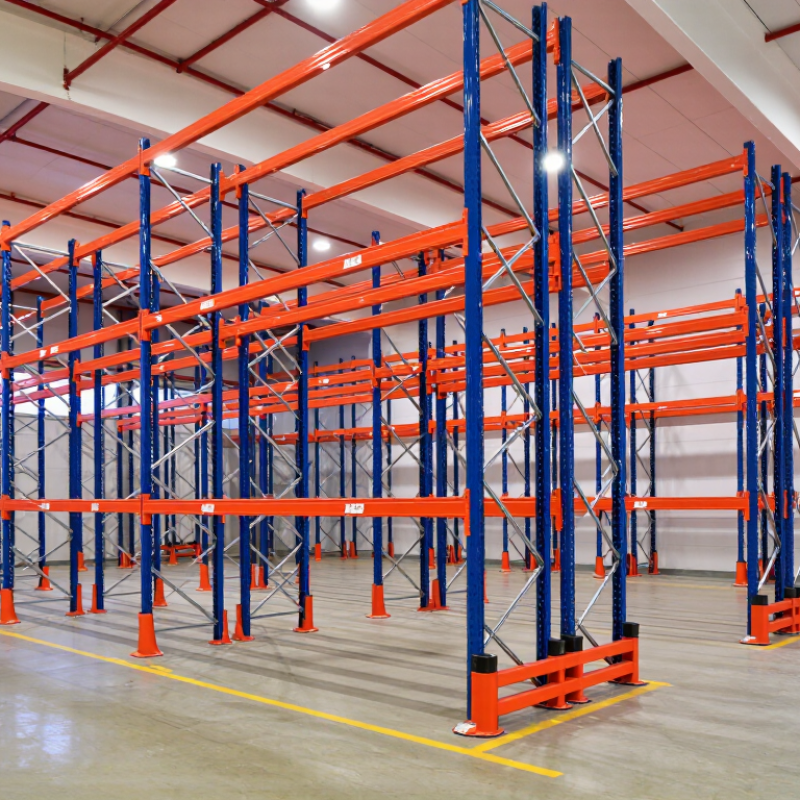
China Top 10 Adjustable Pallet Racking Suppliers?

Understanding Adjustable Pallet Racking and Its Applications

Adjustable pallet racking uses movable beam levels to accommodate different pallet heights and changing inventory. Its most common configuration offers direct access to each pallet, making it practical for warehouses with many stock-keeping units and frequent picking. Operators can reposition beams as product dimensions change, but adjustments must respect the rack’s rated capacity. A visible load notice helps workers check limits before storage.

The U.S. Census Bureau estimated U.S. retail e-commerce sales at $1.192 trillion in 2024, up 8.1% from 2023. That growth can bring faster stock movement and more varied orders, increasing the value of accessible storage. Adjustable systems suit distribution centers, manufacturing stores, and wholesale warehouses where forklifts retrieve individual pallets. Cold-storage sites may use them too, provided the layout and equipment suit the environment. There is a trade-off. Wide forklift aisles can reduce storage density, while narrow aisles require compatible trucks and careful operating plans. A layout may look efficient on paper but fail at shift change. Measure pallet loads, aisle clearances, floor conditions, and daily picking patterns before specifying a system. Source: U.S. Census Bureau, 2024 Annual Retail Trade Survey.

How to Evaluate Chinese Pallet Racking Suppliers

Evaluating Chinese pallet racking suppliers takes more than comparing quoted prices. Ask for clear drawings that show beam lengths, upright dimensions, connection details, and rated loads. Request material specifications and inspection records, then check that the proposed system fits your pallet sizes, forklift clearances, and floor conditions. Ask for evidence. A polished catalog is useful, but it cannot confirm how a rack performs under your actual operating conditions.

Look closely at weld consistency, coating coverage, and the fit of beam connectors on sample components. Confirm how the supplier checks load capacity and whether calculations match your layout, not just a standard configuration. Request references for projects with similar loads and warehouse conditions. It is tempting to focus on the lowest unit price; that shortcut can overlook packaging, replacement parts, installation guidance, or after-sales response times. Small details matter. Compare the full scope in writing, including delivery terms and inspection responsibilities. If a specification is unclear, pause and ask for a revised document. Buyers can miss things, too, so have an experienced warehouse engineer review the layout before ordering.

Profiles of 10 Adjustable Pallet Racking Suppliers in China

A practical comparison of China’s adjustable pallet racking suppliers can focus on ten distinct capabilities. One profile emphasizes custom engineering for unusual bay widths. Another offers standard systems for general warehouse use. A heavy-duty specialist should explain beam and upright load ratings clearly. A space-focused supplier may help plan narrow aisles. Details matter. Cold-storage experience can affect finish and component choices. An automation-ready supplier should discuss clearances and equipment interfaces. Export-oriented manufacturers may provide careful packing plans. Some suppliers coordinate installation, while others concentrate on after-sales support. A cost-focused option can suit simpler projects, but low prices need close checking.

Compare evidence, not slogans. Ask for drawings, written load data, material specifications, and examples of comparable installations. Check that quoted dimensions match your pallets, forklift, and floor layout. Request clarification on inspection and replacement-part arrangements. Ask for proof. A supplier profile is only a starting point, not a performance guarantee. Some catalogues look complete, yet leave practical questions unanswered. That deserves a second look. Before choosing, compare the same requirements across all ten candidates, including delivery scope and installation responsibilities. This makes differences easier to spot and reduces the chance of buying a rack that fits the quotation but not the warehouse.

Comparing Supplier Capabilities, Products, and Services

When comparing China’s adjustable pallet racking suppliers, look beyond catalogue size. Check whether each supplier can provide beam lengths, upright profiles, and load tables matched to your pallet dimensions and handling equipment. Ask for a drawing that shows aisle widths, clearances, and anchoring points. Small details matter.

Product range is only part of the comparison. Some suppliers offer selective, drive-in, or narrow-aisle configurations, while others focus on standard adjustable systems. Request material specifications, coating details, and inspection records for the components you plan to buy. Load capacity depends on the full configuration, not just a single beam rating. A polished brochure is useful, but it cannot replace clear engineering documents.

Service can separate similar quotations. Compare site-measurement support, installation guidance, spare-part availability, and response times after delivery. Ask how changes to a layout are handled, and whether the supplier can provide updated drawings. If possible, review a completed project or speak with a previous customer. I would be cautious about choosing on price alone; yet paperwork does not guarantee smooth service either. Verify the details, and leave room for questions.

China Top 10 Adjustable Pallet Racking Suppliers? — Comparing Supplier Capabilities, Products, and Services

Pallet footprint reference for assessing adjustable racking compatibility

The chart compares common 1200 × 1000 mm and 1200 × 800 mm pallet formats with the 48 × 40 in format (1219 × 1016 mm). These are footprint dimensions, not rack load ratings. Confirm pallet fit, beam capacity, upright capacity, and required clearances with each supplier.

Choosing a Supplier for Your Warehouse Requirements

Choosing an adjustable pallet racking supplier starts with the warehouse, not a catalogue. Measure clear height, aisle width, pallet dimensions, and the space around sprinkler lines or lighting. Record the heaviest load, too; average pallet weight can hide an awkward peak. Small details matter.

Ask suppliers to explain how their proposed beam levels and frame depths fit those measurements. Request clear drawings showing upright locations, aisle clearances, and rated capacity for each configuration. A useful supplier will ask about forklift type and daily traffic, rather than simply quote a price. Compare steel finish, component availability, delivery schedules, and installation support. I have seen planning discussions focus heavily on rack cost while overlooking the cost of delayed replacement parts. That is an easy mistake.

Check what happens after delivery. Who verifies the installation, provides load information, and responds when a beam is damaged? Ask for written warranty terms and references from warehouses with similar layouts. A low bid may still suit a simple operation, but unclear specifications deserve a second look. I would also leave room for future changes, such as different pallet sizes or an extra storage level. Plans change. Not every forecast is right. A supplier should explain the trade-offs without pressuring you to buy more capacity than the site can safely use.

FAQS

What is adjustable pallet racking?

It uses movable beam levels to store pallets with different heights. Beam positions can change as inventory changes.

Which warehouses benefit from this system?

Distribution centers, manufacturing stores, wholesale warehouses, and suitable cold-storage sites may benefit. It works well with varied stock and frequent picking.

What is the main advantage of adjustable pallet racking?

Each pallet usually remains directly accessible. Forklifts can retrieve individual loads without moving other pallets first.

What trade-off should warehouse planners consider?

Wide aisles improve forklift movement but reduce storage density. Narrow aisles save space but need compatible trucks and stricter operating plans.

What should be measured before selecting a rack layout?

Measure pallet dimensions, load weights, aisle clearances, floor conditions, and daily picking patterns. Shift changes can expose planning weaknesses.

How can operators use the rack safely?

Check the visible load notice before storage. Never exceed beam or upright capacity, even when the rack appears stable.

How should different suppliers be compared?

Request drawings, written load ratings, material details, and comparable installation examples. Compare identical requirements across every candidate.

What questions should buyers ask about delivery and support?

Clarify packing, installation responsibilities, inspections, replacement parts, and after-sales support. Low prices deserve closer checking.

Can a supplier profile guarantee performance?

No. A profile is only a starting point. A neat catalogue can still leave practical questions unanswered.

Is the cheapest option always suitable?

Not always. Lower cost may suit a simple project, but missing specifications can create expensive problems later. Measure twice.

Conclusion

This article introduces Adjustable Pallet Racking and explains how its configurable beam heights and modular design can support different warehouse layouts, pallet sizes, and inventory needs. It outlines practical considerations for evaluating suppliers in China, including product range, material quality, manufacturing capabilities, customization options, delivery planning, installation support, and after-sales service. These factors can help buyers assess whether a supplier is suited to a particular project rather than relying on price alone.

The article also presents profiles of ten suppliers and compares their capabilities, products, and services to help readers understand the range of options available. It concludes with a practical framework for choosing a supplier based on storage capacity, facility dimensions, operational requirements, budget, and future expansion plans, enabling businesses to make a more informed decision for their warehouse.

Amelia

Amelia

Amelia is a dedicated marketing professional with extensive knowledge of the company’s products, services, and industry landscape. Through clear communication and thoughtful storytelling, she helps customers understand how the company’s solutions can support their goals, improve efficiency, and......