Very Narrow Aisle Racking helps warehouses store more pallets within the same floor area. Its narrow lanes can make a building feel almost like a library of tall steel shelves. But density alone does not make a system effective. Aisle width, rack height, floor flatness, load capacity, and truck compatibility all shape daily performance. Small design mismatches can slow picking or complicate installation.
This guide compares ten manufacturers serving the global market. It considers product range, engineering support, customization, safety features, and suitability for different operations. These are practical points, not a substitute for a site-specific assessment. A useful introduction should also include a verified comment from a named industry expert. No source or attributable quotation was provided with the request, so inventing one would weaken the reliability of this overview. The comparison therefore focuses on verifiable selection criteria rather than an unconfirmed quote. Readers should check current specifications directly with manufacturers and qualified warehouse designers. The best choice depends on the building, the inventory, and the way people and equipment move through the space.
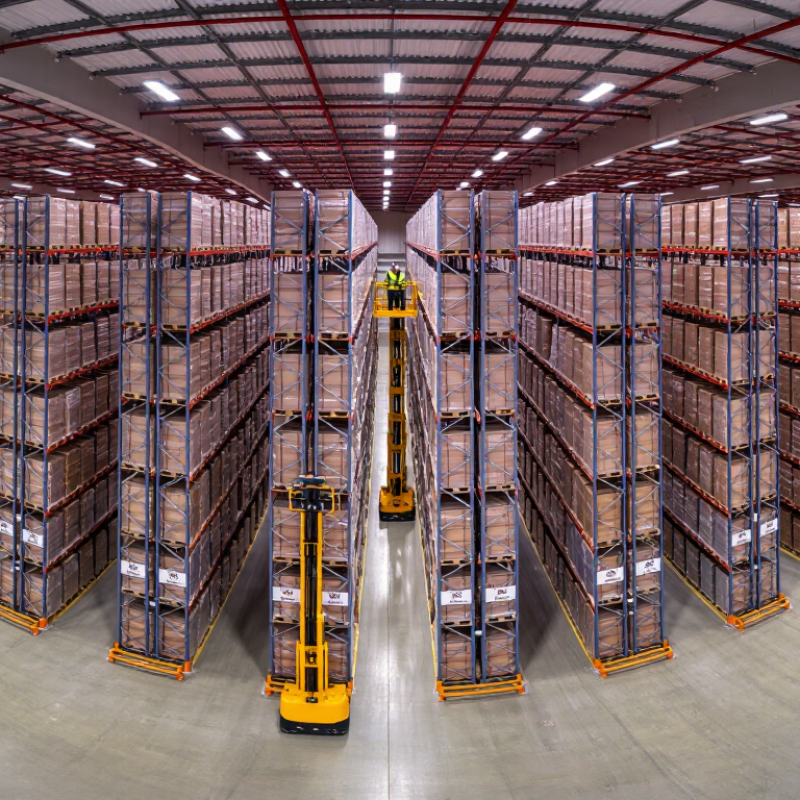
Understanding Very Narrow Aisle Racking Systems
Very narrow aisle (VNA) racking uses compact aisle space to increase storage density while keeping pallets accessible. Specialized trucks travel through these lanes, often guided by rails or a floor-based guidance system. The right setup depends on pallet dimensions, load weight, building height, and the truck’s turning and lifting requirements. Aisle width is not a universal figure; confirm it with equipment specifications and a site layout. Small margins matter.
Racking design also depends on floor flatness, upright protection, and clearances around sprinklers, lights, and doors. In practice, a layout that looks efficient on paper can become awkward when pallet overhang or handling differences are overlooked. That detail is easy to miss. Plan for safe pedestrian routes and inspect the floor and rack condition regularly. A qualified racking professional can help verify the design against site conditions and intended loads.
Tips: Measure actual pallets and loads, not just standard dimensions. Check truck turning and lift clearances using the proposed layout. Leave room for maintenance and protect exposed uprights at aisle ends. Reassess capacity after inventory or equipment changes; small changes can affect clearances.
Top 10 Very Narrow Aisle Racking Manufacturers Worldwide - Understanding Very Narrow Aisle Racking Systems
The table below summarizes key system characteristics for evaluating very narrow aisle (VNA) installations. Figures are indicative industry ranges, not specifications for any particular supplier; actual requirements depend on the truck, load, building, and local standards.
| No. | System Dimension | Typical Reference | What to Evaluate |
|---|---|---|---|
| 1 | Aisle width | Often around 1.5–2.0 m, depending on the truck and load dimensions. | Confirm the required operating clearance using the truck manufacturer’s design data and the actual pallet or load size. |
| 2 | Truck configuration | Common options include man-up turret trucks and man-down VNA trucks. | Compare operator access, picking requirements, travel speed, lift height, and compatibility with the planned rack layout. |
| 3 | Truck guidance | Guidance may use floor-mounted rails or an embedded wire system, depending on the truck and site design. | Check aisle-entry arrangements, installation tolerances, maintenance needs, and whether guidance is suitable for the floor. |
| 4 | Storage density | Narrower aisles can create more usable storage area than conventional wide-aisle layouts in the same building. | Model the complete layout, including cross-aisles, staging, fire protection, columns, and access routes; aisle reduction alone does not determine capacity. |
| 5 | Lift height | VNA truck and rack designs can serve high-bay applications; attainable height varies by equipment model and load. | Verify mast or mast-free lift limits, residual capacity, building clearance, sprinkler requirements, and load stability at height. |
| 6 | Load capacity | Rated capacity is equipment-specific and may decrease as lift height or load-centre distance increases. | Use the truck’s capacity chart for the actual load, pallet, attachment, and operating height; do not rely on nominal capacity alone. |
| 7 | Rack arrangement | Selective pallet racking is commonly used where direct access to individual pallet locations is required. | Specify pallet dimensions, beam levels, rack height, aisle-end protection, and the required access to each storage location. |
| 8 | Floor quality | VNA operations at height are sensitive to floor levelness, flatness, and local surface defects. | Have the floor assessed against the selected truck’s requirements and applicable site specifications before installation. |
| 9 | Throughput and picking | Performance depends on travel distance, lift cycles, order profile, operator workflow, and the number of trucks. | Use a representative throughput study rather than aisle width alone when estimating picks or pallet movements per shift. |
| 10 | Safety and compliance | Design should address rack protection, pedestrian separation, load limits, inspections, and applicable local regulations. | Review the complete installation with qualified rack and equipment professionals and follow the relevant regional codes and inspection guidance. |
FAQS
It uses compact aisles to increase storage density while keeping pallets accessible. Specialized trucks travel through the lanes.
There is no universal width. Check the truck specifications, pallet dimensions, and site layout. Small margins matter.
Measure actual pallets and loads, including any overhang. Confirm load weight, truck turning space, and lift clearances.
Floor flatness and slab capacity matter. Allow clearance around sprinklers, lights, and doors, too. Details get missed.
Protect exposed uprights at aisle ends. Inspect the floor and rack condition regularly, and leave space for maintenance.
They should ask about floor conditions, pallet sizes, operating clearances, and intended loads. A quick quote is not enough.
Request drawings, written load assumptions, and references from similar projects. Published specifications still need a site-specific check.
Recheck it after inventory or equipment changes. Even a small change can affect clearances. I would not assume the old plan still fits.
Conclusion
This article introduces Very Narrow Aisle Racking as a storage solution designed to increase warehouse capacity by reducing the space needed between shelving rows. It explains how these systems work, including their layout, equipment requirements, and the role of specialized trucks in accessing goods within narrow aisles. Readers will also learn about practical factors to consider when assessing manufacturers, such as product design, customization options, safety features, service support, and suitability for different warehouse operations.
The article profiles ten manufacturers from around the world without focusing on brand promotion, then compares their approaches to help readers make an informed supplier choice. By considering storage needs, facility dimensions, operational demands, and long-term support, businesses can identify a system and supplier that align with their goals.