[email protected] Exporting racking systems to 85+ countries
CE · ISO 9001 · ISO 14001 · TUV English
0%

Choosing Double Deep Pallet Racking is not simply a matter of fitting more pallets into a warehouse. It changes how operators reach stock, replenish locations, and move goods during busy shifts. Two pallets sit one behind the other, so the system can use fewer aisles than selective racking. The trade-off is reduced direct access to each pallet. In practice, that matters when a picker needs the rear load and a forklift is already working the aisle.

Industry data helps explain why storage decisions need operational context. MHI’s 2024 Annual Industry Report found that 55% of surveyed supply chain professionals planned to adopt robotics and automation within five years. That figure concerns technology adoption, not pallet-rack performance; still, it reflects pressure to coordinate storage, equipment, and workflows. Rack Manufacturers Institute guidance also makes clear that rack design and safe operation depend on the equipment and loads involved. Measure pallet dimensions, load weights, aisle clearance, and turnover before comparing layouts.

Warehouse logistics expert Edward Frazelle’s work offers a useful principle, paraphrased here: “Storage density should support throughput, not undermine it.” That distinction is easy to overlook. Double Deep Pallet Racking can suit operations with several pallets of the same product and compatible reach trucks. It may be a poor fit for highly varied, fast-moving stock. A careful choice begins with the actual inventory profile, not a brochure’s maximum-capacity figure. And assumptions deserve a second look.
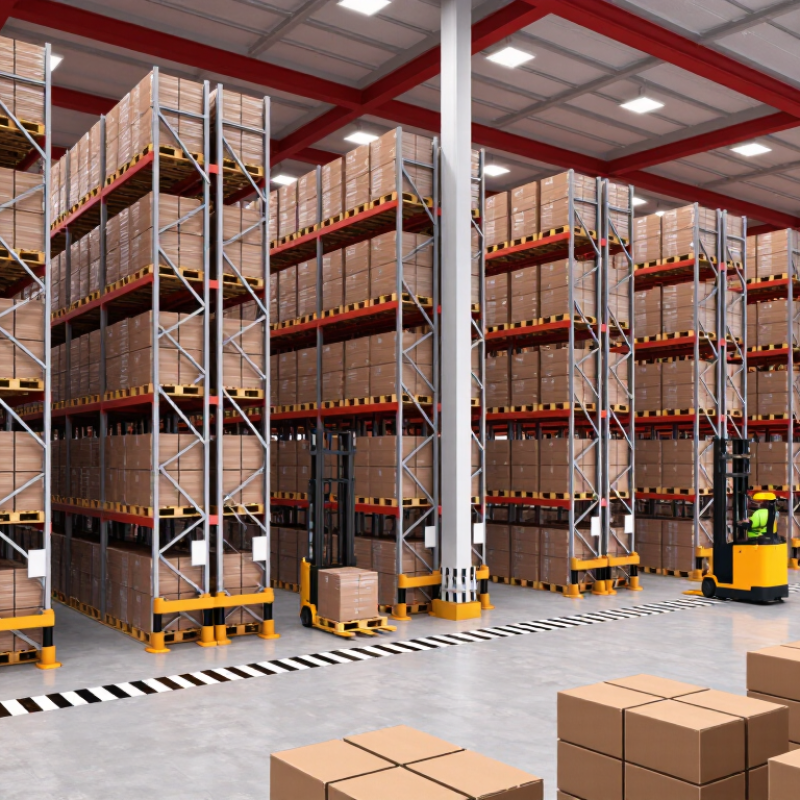
How to Choose Double Deep Pallet Racking

Assess SKU Turnover and Selectivity Needs for Two-Deep Storage

Double-deep pallet racking stores two pallets behind each other, reducing aisle space but limiting direct access to the rear position. It suits operations where several pallets share the same SKU and replenishment arrives in predictable quantities. Review actual order lines, not just monthly sales totals. A product shipped steadily every day may need more accessible positions than a seasonal item with a higher annual volume.

That matters. When a front pallet blocks a different SKU behind it, workers may need to move stock before picking the required load. This extra handling can slow orders and increase damage risk. Group compatible pallets by SKU and consider whether each item’s shelf life and dispatch sequence can tolerate the access pattern. Two-deep storage may complicate strict first-in, first-out rotation, so check the required process before committing.

Measure turnover by SKU, including peak weeks, and compare it with the number of pallets held at once. Fast-moving items with frequent, varied picks often benefit from more selective storage, while slower, uniform stock may work well two-deep. Confirm that the reach truck can safely retrieve rear pallets and that operators have clear location labels. A small pilot can reveal awkward moves: track retrieval time, reshuffles, and mis-picks across a few representative SKUs. One spreadsheet forecast may look tidy; real order patterns are messier.

Verify Pallet Loads, Beam Ratings, and Building Clearances

Choosing double deep pallet racking starts with the actual load, not a catalog estimate. Record each pallet’s maximum weight, height, width, and depth, including uneven or shifting contents. Check how the pallet sits on the rails; damaged runners or overhang can change support conditions. Small details matter. Confirm the forklift’s rated capacity at the working load center, since reaching into the second position can reduce lifting capacity. A load that seems ordinary may behave differently when stored two pallets deep.

Compare the planned arrangement with the rack’s beam ratings for each level and bay. Ratings depend on span, load distribution, and the specified configuration, so do not assume a beam pair can carry any combination of pallets. Ask a qualified rack professional to verify the layout against current load documentation. Measure clear height, aisle width, sprinkler clearance, lights, ducts, and floor conditions before installation. Also allow for the forklift mast and load when accessing rear pallets. A drawing can look tidy and still miss a low pipe. I have seen measurements need repeating after a site obstruction was noticed; it is frustrating, but cheaper than discovering the issue during operation. Keep capacity labels visible and review them whenever pallet weights or rack levels change.

How to Choose Double Deep Pallet Racking - Verify Pallet Loads, Beam Ratings, and Building Clearances

Use this checklist to compare a proposed double-deep rack layout with the actual loads, handling equipment, and building conditions.
Design Check What to Verify Example or Planning Reference Action Before Approval
Pallet load weight Record the maximum gross weight of each loaded pallet, including the pallet itself. Check for heavier or unevenly distributed loads. Example: 1,800 lb per loaded pallet. This is an example only, not a standard rack capacity. Use actual maximum weights and confirm the load is stable and suitable for storage on the specified pallet type.
Load dimensions Measure pallet length, width, and total loaded height. Include any overhang, stretch wrap, or irregular packaging. A common North American pallet footprint is 48 × 40 in; actual pallet and load dimensions vary. Check that the pallet fits the rack depth and beam spacing with the clearances required by the rack design.
Double-deep access Confirm that the selected truck can retrieve the rear pallet position without moving the front pallet. Double-deep storage typically requires a deep-reach truck or an approved extending-reach attachment. Verify truck reach, rated capacity at the required reach and lift height, aisle width, and operator visibility.
Beam load rating Check the rated capacity for the exact beam length, beam type, connection, and load arrangement. Beam ratings are commonly stated for a uniformly distributed pair of pallet loads; concentrated or uneven loads can change the allowable capacity. Obtain the rack supplier's documented load data and match it to the planned pallet positions and weights.
Upright frame capacity Confirm frame capacity for the proposed beam elevations, bay configuration, frame height, and installed bracing. Frame capacity depends on the complete configuration and is not determined by beam capacity alone. Have the rack design checked for the actual layout, load levels, base conditions, and applicable local requirements.
Vertical clearance Measure clear height below sprinklers, lights, ducts, roof structure, and other obstructions. Allow for the loaded pallet height, beam depth, handling clearance, and any required sprinkler clearance. Confirm the highest load level and equipment lift height against the building survey and fire-protection requirements.
Building and floor conditions Check slab condition, floor levelness, joints, columns, doors, and available anchoring locations. Concrete strength, slab thickness, and anchor suitability must be verified for the site; they cannot be assumed from rack capacity. Review site information with a qualified rack designer and, where needed, a structural engineer.
Operating clearances Account for aisle width, turning space, column protection, pedestrian routes, and truck maneuvering. Required aisle width varies with the handling truck, load size, and operating method. Confirm clearances using the truck manufacturer's specifications and a site-specific layout review.
Inspection and protection Plan for rack inspections, visible load notices, impact protection, and prompt reporting of damaged components. Damage, missing locking devices, or unauthorized changes can affect rack performance. Set an inspection and maintenance process and keep the approved layout and load information available on site.

Important: Example figures are for illustration only. Final beam and frame capacities, clearances, anchorage, and layout must be verified for the specific rack system, pallet loads, handling equipment, building, and applicable local codes.

Choose Double-Reach Trucks for Access to Two-Position-Deep Lanes

Double-deep pallet racking stores two pallets deep on each side of an aisle. A double-reach truck uses extended forks to place or retrieve the rear pallet without moving the front one. This can increase storage density, but it changes how operators access inventory.

Check the truck’s lift height, fork reach, load capacity, and turning clearance against the rack layout. A heavy pallet at full reach may handle differently than one stored near the aisle. Confirm the floor is suitable for the truck and the rack configuration before installation.

Tips: Keep the front pallet position clear when accessing the rear slot. Train operators to check load stability and fork alignment. Label both pallet positions clearly.

Plan inventory around access order. If the rear pallet is needed first, the front pallet may need to be temporarily moved. That takes time and can interrupt picking. Fast-moving goods often suit the front positions, while slower-moving stock can go behind them. Still, real demand is rarely perfectly predictable. Even experienced teams may need to revise slot assignments after observing actual picking patterns.

Test the layout with typical loads and aisle turns, not just an empty truck.

Model Capacity: Each Double-Deep Lane Stores 2 Pallets per Level

A double-deep lane holds two pallets per level: one at the front and one directly behind it. With four usable levels, that means eight pallet positions per lane, not eight interchangeable locations. The rear pallet is accessible only after the front pallet is moved, so this layout works best when each lane holds the same SKU or when rotation rules allow last-in, first-out access. Small detail, big impact. A forklift with a double-deep reach function is also needed; ordinary reach equipment may not safely reach the rear position.

Do not confuse position count with load capacity. Each pallet’s weight, beam rating, frame height, pallet condition, and load distribution affect the safe design. Rack capacity should be checked against the supplier’s load data and clearly posted for the installed configuration.

MHI’s 2024 Annual Industry Report found that 55% of surveyed supply-chain leaders planned to increase technology investment. That is useful context for better inventory visibility, but it does not set a rack’s weight limit.

In practice, operators should confirm both pallet dimensions and the actual load before specifying a lane. It is easy to count positions and overlook access time; that deserves a second look.

Set Rotation and Safety Rules for Blocked Rear Pallets

Double-deep racking places one pallet behind another, so the rear load is not directly accessible. Set a clear rotation rule before the first pallet enters the bay.

For products with dated shelf lives, use a method that brings the earliest-dated stock forward. For other goods, define an agreed loading and retrieval sequence. Record each pallet’s date or lot and exact position in the inventory system. Small labels help, but they can be missed behind stretch wrap.

The front pallet blocks the rear one. That matters.

Operators should remove the front pallet before retrieving the rear; never reach over, push, or lift around a blocked load. Use only trucks and attachments suited to the rack layout, and follow the site’s operating procedure. Keep people clear of raised loads, and stop work if a pallet is leaning, damaged, or difficult to handle.

Check rack capacity signs and report bent uprights or loose components promptly. A tidy aisle is useful, but it does not fix poor rotation records. In practice, staff may forget to update a location during a busy shift, so schedule simple checks and correct discrepancies before the next retrieval.

FAQS

What should I measure before choosing double-deep pallet racking?

Record each pallet’s maximum weight, height, width, and depth. Note uneven contents, damaged runners, and any overhang.

How do I check whether rack beams can support my pallets?

Compare the planned loads with beam ratings for each level and bay. Ratings depend on span, load distribution, and configuration. Ask a qualified rack professional to verify the layout.

What building clearances should I check?

Measure clear height, aisle width, and space around sprinklers, lights, ducts, and pipes. Include the forklift mast and load. A drawing can still miss a low pipe.

What equipment is needed to reach rear pallet positions?

Use a suitable double-reach truck with enough fork reach, lift height, and capacity. Confirm its turning clearance and floor suitability. A load at full reach may handle differently.

How should I arrange inventory in double-deep lanes?

Put faster-moving goods in front when practical, and slower-moving stock behind. If the rear pallet is needed, the front one may need moving. Actual demand can disrupt a neat plan.

How should dated stock be rotated?

Record each pallet’s date or lot and exact position. Use a rotation method that brings the earliest-dated stock forward. Small labels can be missed behind wrap.

What should operators do before retrieving a rear pallet?

Remove the front pallet first. Never reach over, push, or lift around a blocked load. Keep people clear of raised loads.

What checks help prevent problems during daily operation?

Keep capacity labels visible and check location records regularly. Stop work if a pallet leans or rack parts look damaged. Busy shifts make missed updates more likely.

Conclusion

Double Deep Pallet Racking can increase storage density by placing two pallets deep in each lane, making it a practical option for operations with suitable inventory and handling processes. Before selecting this layout, assess SKU turnover and selectivity needs: it works best when products are stored in consistent groups and access to the rear pallet can be planned around the front one. Confirm that pallet dimensions and loads match the rack design, check beam ratings, and allow for building features such as ceiling height, columns, and sprinkler clearances.

Because standard access to the rear position is restricted, plan for double-reach trucks that can place and retrieve pallets at both depths. Model the usable capacity carefully: each double-deep lane holds two pallets per level, subject to rack configuration and site constraints. Finally, establish clear rotation, replenishment, and safety procedures so blocked rear pallets are managed predictably and rack components are protected during daily operations.

Charlotte

Charlotte

Charlotte is a professional marketing specialist dedicated to helping customers better understand the company’s products, solutions, and service capabilities. With a strong background in market research, content strategy, and customer communication, she combines industry insight with clear,......