Heavy-Duty Forklift-Accessible Racking Systems
Navigating Industrial Storage Engineering in Greater Tokyo’s High-Density Logistics Ecosystem
Tokyo’s logistics landscape presents one of the most demanding operating environments globally. Driven by skyrocketing real estate prices per tsubo (3.3 m²), strict seismic safety mandates (JIS B 8560), and the operational shifts following Japan's 2024 Logistics Reform laws, warehouse operators across Koto Ward, Shinagawa, Ota Ward, Yokohama, and Ichikawa require specialized pallet racking systems engineered specifically for forklift access and maximum vertical clearance utilization.
High Real Estate Cost & Land Scarcity
Industrial land in Tokyo Bay command premium leasing fees. Storage density must be optimized vertically up to 12–15 meters while maintaining safe forklift turning radiuses in narrow aisles. Heavy-duty selective and double-deep racking configurations allow operators to double pallet storage capacity within existing square footage.
Rigid Seismic Acceleration Standards
Tokyo sits within an active seismic zone. Pallet racking installed in Japan must endure severe ground acceleration forces without horizontal frame distortion or beam displacement. Our structural steel frames utilize cold-rolled Q355B steel, heavy-duty floor baseplates, and dual M16/M20 anchor bolts to satisfy strict Japanese structural safety calculations.
Factory Insight: Importing directly from an established racking manufacturer allows Tokyo project managers and 3PL contractors to cut intermediate distributor markups by up to 35% while receiving custom-engineered engineering designs fitted to Japanese pallet dimensions (JIS T11 / 1100mm × 1100mm) and local forklift fleets.
Matching Pallet Racking Systems with Tokyo Forklift Fleet Specs
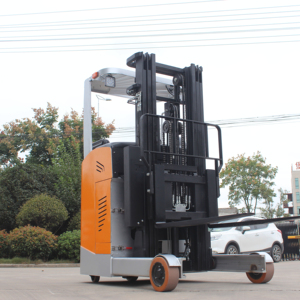
Efficient material handling relies on precise mechanical alignment between pallet rack beam levels, aisle clearances, and the turning envelope of electric reach trucks, VNA turret trucks, or standard counterbalance forklifts widely used across Japan (Toyota Material Handling, Nichiyu, Komatsu, Sumitomo).
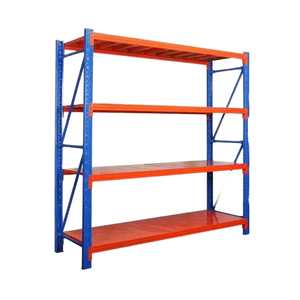
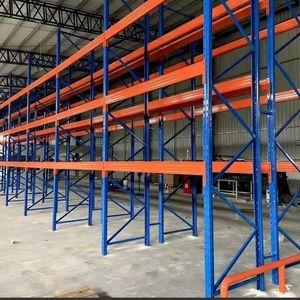
1. Selective Pallet Racking
Offers 100% direct access to every pallet position. Ideal for high-SKU distribution centers near Tokyo Port. Compatible with standard reach trucks requiring 2.8m to 3.2m aisle widths.
- Beam pitch adjustability every 50mm or 75mm
- Load ratings from 1,000kg to 3,500kg per beam pair
- Optional wire mesh decking or steel zinc-plated panels
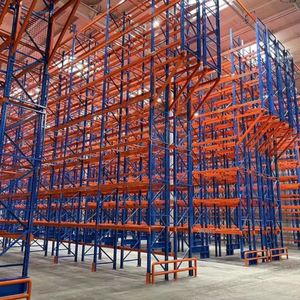
2. VNA (Very Narrow Aisle) Racking
Reduces aisle width down to 1.6m–1.8m, maximizing floor area usage up to 85%. Requires specialized VNA articulated trucks or wire-guided turret trucks.
- Integrated floor guide rails (angle iron or inductive wire)
- Reaches heights up to 15 meters in modern logistics parks
- Prevents column collisions via mechanical guide channels
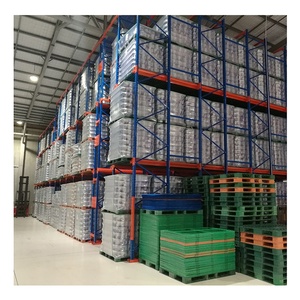
3. Double-Deep Pallet Racking
Stores pallets two deep per lane using pantograph or telescopic fork reach trucks. Increases storage density by 30% compared to standard selective setups.
- Reduces overall aisle count by 50%
- Best suited for medium-SKU, high-volume inventory
- Requires reinforced lower frame ties for stability
| Racking System Type | Forklift Compatibility | Aisle Width Req. | Storage Density | Seismic Resistance Rating |
|---|---|---|---|---|
| Selective Pallet Rack | Counterbalance / Reach Truck | 2.8m - 3.4m | Standard (60%) | High (Class A JIS) |
| VNA (Very Narrow Aisle) | VNA Turret Truck / Articulated | 1.5m - 1.8m | Very High (85%) | High (Custom Braced) |
| Double-Deep Racking | Deep-Reach Pantograph Truck | 3.0m - 3.3m | High (75%) | High (Double Frame Tie) |
| Drive-In Pallet Rack | Standard Reach Truck (Narrow Body) | Forklift Drive Channel | Ultra High (88%) | Medium (Top Braced) |
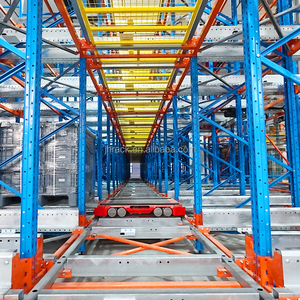
| Radio Shuttle System | Any Standard Forklift (Out-of-Rack) | 2.8m - 3.0m (Transfer Aisle) | Maximum (92%) | High (Integrated Grid) |
Tokyo Logistics Trends Shaping Racking Demand
The Japanese logistics industry is undergoing structural transformations. Strategic warehouse operations in Kanto are modernizing to counteract labor shortages, driver hour caps, and extreme space constraints.
1. Impact of Japan's 2024 Logistics Overtime Regulations
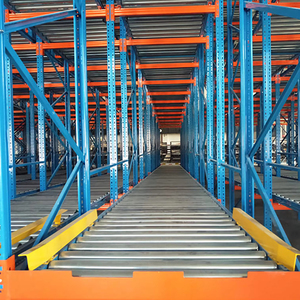
With strict cap limits placed on truck driver overtime hours across Japan, distribution hubs in Greater Tokyo must minimize loading and unloading turnaround times. Forklift-accessible pallet racking layouts are being re-engineered for rapid palette throughput, incorporating FIFO gravity flow channels and wide staging bays near dock doors to keep trucks moving continuously.
2. Multi-Story Ramp-Up Logistics Parks
Modern developments by major Japanese real estate giants (e.g., GLP, Prologis, Mitsui Fudosan) utilize multi-story spiral ramps allowing direct truck access to upper floors. Floor slab load limits on upper levels (typically 1.5 tons to 2.0 tons per square meter) dictate exact racking baseplate pressure distribution, requiring tailored structural calculations for footprint safety.
3. High-Density Cold Chain Storage (Toyosu & Port Hubs)
Tokyo Bay's food distribution ecosystem relies heavily on temperature-controlled and frozen logistics (-25°C to -40°C). Our hot-dip galvanized racking and radio shuttle systems resist moisture condensation, rust formation, and low-temperature structural embrittlement, protecting inventory integrity across cold storage facilities.
4. Hybrid AGV & Forklift Collaborative Zones
Tokyo fulfillment facilities are increasingly adopting automated guided vehicles (AGVs) working alongside human-driven reach trucks. Racking systems require customized low-level guide plates, laser-reflective sensors, and precision beam tolerances to allow seamless dual operation between automated equipment and manual forklifts.
Why Tokyo Procurement Managers Partner Direct with PrimeBay
As a direct manufacturer with over two decades of engineering expertise, PrimeBay delivers custom warehouse racking directly from our modern 40,000 m² factory base to Tokyo, Yokohama, and Chiba ports.
In-House Manufacturing
Full control over raw material sourcing, automated continuous cold-roll forming, robotic welding, and automated powder coating lines.
CE & ISO Certified
Fully certified under CE, ISO 9001, ISO 14001, and TUV safety standards, guaranteeing load performance compliance.
Forklift Protection Gear
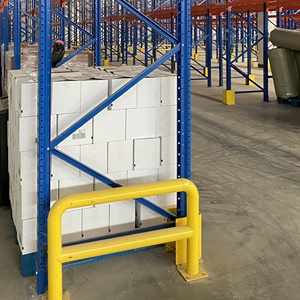
Supplies heavy-duty column protectors, frame end guards, and guide rails to prevent costly forklift impact damages.
Fast CAD Design (24h)
Our structural engineers analyze your warehouse CAD drawings and supply 3D layout proposals within 24 business hours.
Quality Guarantee: Every batch of cold-rolled steel profiles undergoes rigorous tensile strength, weld integrity, and salt-spray corrosion tests before shipment. All structural installations include a comprehensive 10-year factory warranty.
Frequently Asked Questions for Tokyo Racking Procurement
Addressing common technical, legal, and shipping inquiries raised by Japanese logistics managers, 3PL directors, and warehouse equipment buyers.
How do PrimeBay pallet racking designs comply with Japanese Seismic Standards (JIS B 8560)?
What aisle clearance is recommended for Toyota and Nichiyu reach trucks in Tokyo facilities?
What is the typical lead time from factory production to delivery at Tokyo or Yokohama Port?
Can racking systems be customized for older warehouses in Koto-ku or Ota-ku with restricted ceiling heights?
Which surface coating treatment is best for Tokyo Bay coastal area facilities?
Do you offer OEM custom colors and branding for warehouse equipment dealers in Japan?
Optimize Your Tokyo Warehouse Storage & Forklift Workflow
Send us your warehouse CAD drawing, floor plan sketch, or storage requirements. Our senior racking engineers will analyze your layout and provide a complete structural proposal, load calculation, and factory-direct quotation within 24 hours.