High-Density Sub-Zero Racking Infrastructure
Providing specialized cold-room structural storage solutions engineered to combat steel embrittlement, optimize volumetric density, and deliver long-term thermal operation safety down to -30°C.
Structural Resilience in Extreme Sub-Zero Environments
Operating a refrigerated or frozen storage facility presents distinct physics and engineering challenges that standard ambient pallet racks cannot withstand. Cold room logistics demand strict material selection to prevent structural yield degradation caused by Ductile-to-Brittle Transition Temperature (DBTT) shifts. As an authoritative OEM cold chain pallet racking manufacturer, our engineered storage solutions utilize specialized micro-alloyed steel grades, specialized hot-dip galvanizing treatments, and high-tensile connection hardware designed to maintain structural ductility under constant freeze-thaw cycles.
Volumetric space utilization directly dictates operational profitability in temperature-controlled warehouses. Cooling sub-zero air requires immense electrical energy expenditure; therefore, maximizing storage density per cubic meter is paramount. Our OEM storage configurations—ranging from deep-lane Radio Shuttle systems to automated Very Narrow Aisle (VNA) layouts—are specifically tailormade to increase pallet storage capacity by up to 85% compared to conventional selective layouts while ensuring unimpeded air circulation profiles.
Custom Cold Chain & Heavy-Duty Warehouse Racking Systems
Explore our certified heavy-duty storage equipment manufactured for commercial cold rooms, food distribution centers, and industrial high-density facilities.
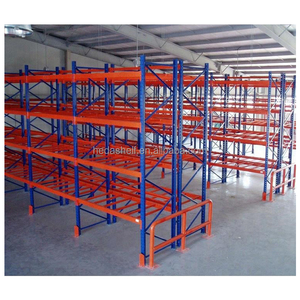
Wide Aisle Pallet Racking Heavy Duty Metal Rack Double Deep Clothes Racking System for Warehouse
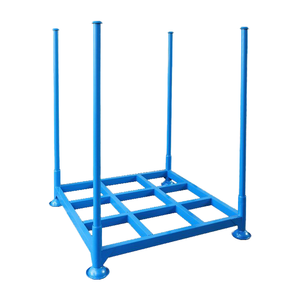
Warehousing Storage Heavy Duty Steel Fabric Multi-Level Corrosion Protection Truck Tyre Cold Storage Stacking Metal Racks
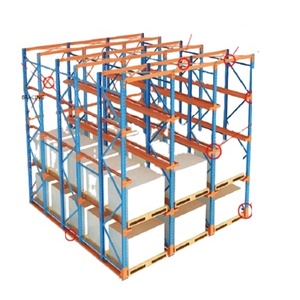
Industrial Steel Products VNA Very Narrow Aisle Selective Pallet Racks Steel Shelves Rack
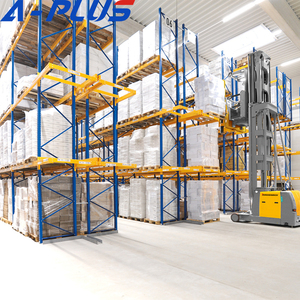
OEM Very Narrow Aisle Metal Storage Rack Steel Warehouse Racking System
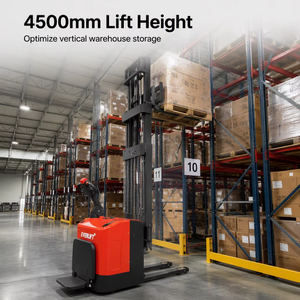
2000kgs Walkie Pallet Stacker Full Electric Advanced DC Drive System Lift Truck Featuring Core Motor Gear Bearing PLC
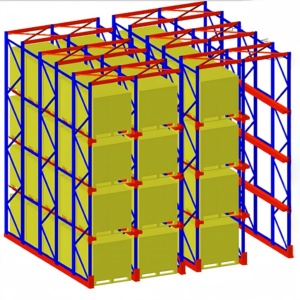
High-Density Heavy Duty Steel Pallet Rack Durable FIFO Drive-in Warehouse Storage ODM & OEM Supplier
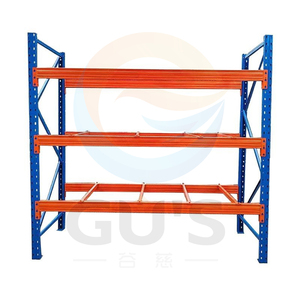
Custom Heavy-Duty Racking System Metal Shelving Unit Corrosion-Protected Cold Rolled Steel Stacking Rack For Warehouse Storage
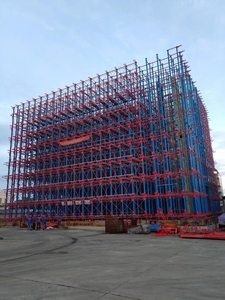
Pallet Shuttle Rack Is a Deep lane Storage and Retrieval System Which Helps You to Optimise the Storage Capacity
Material Science: Low-Temperature Structural Integrity
Standard structural steel profiles (such as standard Q235B) experience severe loss of impact toughness when subjected to sub-zero freezer room temperatures (-18°C to -30°C). Under continuous mechanical vibration from forklift loading, standard steel can suffer micro-fractures, leading to catastrophic structural collapse. As a premier OEM Cold Chain Pallet Racking Manufacturer, PrimeBay employs high-grade cold-rolled structural steel coils certified under international standards (including EN 10025 S355JR / Q355B low-alloy high-strength steel).
Our raw material sourcing mandates strict Charpy V-notch impact testing at -20°C and -40°C to guarantee structural energy absorption without brittle fracture. Furthermore, surface treatment choice dictates operational life in high-humidity ambient-to-freezer transition zones:
- Hot-Dip Galvanizing (HDG): Conforming to ISO 1461 standards, providing a zinc coating thickness of 60–80 μm. The metallurgical zinc-iron alloy bond offers self-healing sacrificial anode protection against moisture condensation and chemical frost washdowns.
- Thermosetting Epoxy Powder Coating: Applied via automated electrostatic lines with pre-treatment zinc-phosphate conversion coatings. Engineered with anti-shatter plasticizers to maintain coating elasticity under rapid thermal contraction down to -30°C.
Technical System Comparison for Cold Storage Facilities
Selecting the correct sub-zero storage architecture depends on SKU count, throughput velocity, and pallet rotation rules.
| Racking Architecture | Volumetric Efficiency | Pallet Access (Selectivity) | Rotation Principle | Cold Room ROI Index |
|---|---|---|---|---|
| Radio Shuttle System | Ultra-High (85%+) | Lane-Selective | FIFO / LIFO Automated | Highest (Fast Payback) |
| Drive-In / Drive-Through | High (70-75%) | Low (Per Lane) | LIFO / FIFO | Moderate |
| Double-Deep Pallet Rack | Medium (60-65%) | 50% Immediate Access | FILO | Balanced |
| Very Narrow Aisle (VNA) | High Vertical (75%) | 100% Direct Access | FIFO Strict | High for High-SKU |
| Electric Powered Mobile Rack | Ultra-High (85%+) | 100% Direct Access | FIFO / LIFO On Demand | Maximum Space Saving |
Why Leading Global Logistics Brands Partner With Us
Combining 20+ years of industrial rack manufacturing with end-to-end engineering, custom roll-forming, and stringent QA compliance.
Custom OEM & ODM Precision
We engineer custom upright profiles, beam pitch options (such as 50mm, 75mm, 76.2mm pitch), specialized pallet guide rails, and customized brand color schemes directly tailored for global rack distributors and contractors.
ISO 9001 & CE Certified Safety
Every structural system complies with FEM 10.2.02, RMI, and EN 15512 safety codes. Certified quality assurance spans automated ultrasonic weld inspections, tensile testing, and 100% structural traceability.
40,000 m² Advanced Production
Equipped with continuous automated CNC cold roll-forming mills, robotic laser cutting cells, and dual-line high-capacity powder coating systems capable of delivering over 3,000 tons of structural steel racking per month.
Future Procurement & Technology Trends in Cold Chain Storage
Key evolutionary vectors shaping sub-zero automated logistics and cold storage infrastructure over the next decade (2025–2030).
1. Convergence with 4-Way Pallet Shuttle Automation
The traditional drive-in rack is rapidly giving way to intelligent 4-Way Radio Shuttle systems in sub-zero facilities. Procurement is shifting towards multi-directional shuttles operating on integrated rack rails, eliminating forklift travel inside cold rooms. These systems feature specialized low-temperature Lithium Iron Phosphate (LiFePO4) battery packs with internal thermal heating jackets to maintain continuous operation down to -25°C without capacity degradation.
2. Thermal Bridge Mitigation & Seismic Engineering
Modern cold room engineering demands advanced thermal break isolation beneath upright baseplates. Future racking installations incorporate ultra-high-density structural polyamides or insulated resin pads under structural footings to prevent thermal conductivity into the concrete sub-slab, avoiding slab heaving. Simultaneously, enhanced seismic R-factor design calculations are becoming standard requirement across high-bay cold storage facilities worldwide.
3. Eco-Friendly Zinc-Aluminum-Magnesium Coatings
Sustainability and carbon footprint reduction are driving procurement managers toward next-generation Zinc-Aluminum-Magnesium (ZAM) alloy coated steel profiles. ZAM coatings provide up to 5 to 10 times higher corrosion resistance than standard galvanizing while reducing energy consumption during the raw steel coating phase—offering superior edge protection against sub-zero condensation rust.
4. IoT Sensor Integration & Structural Health Monitoring
Real-time digital twin monitoring is entering high-bay cold storage racks. Wireless load cell sensors, thermal strain gauges, and impact detection nodes integrated into rack uprights transmit live data to Warehouse Management Systems (WMS). This alerts facility engineering teams to dynamic overload conditions or forklift collision damage before structural fatigue can threaten facility safety.
Frequently Asked Questions (FAQ)
Expert answers to critical procurement and technical engineering queries regarding custom OEM cold chain pallet racking.
Why is standard steel racking unsafe for use in sub-zero cold rooms (-20°C to -30°C)?
How do you prevent moisture rust and coating peeling during defrosting cycles?
Which racking layout offers the absolute maximum storage density for cold storage facilities?
Can PrimeBay manufacture racking according to our OEM custom dimensions and colors?
What information is required to receive a full CAD engineering drawing and quotation?
1) Warehouse floor plan dimensions and clear height under building trusses.
2) Operating room temperature range (ambient, refrigerated +4°C, or sub-zero freezer -25°C).
3) Pallet load dimensions (Width x Depth x Height including cargo overhang).
4) Maximum unit load weight per pallet position.
5) Forklift model, maximum lifting height, and aisle turning radius specifications.
What structural warranties and international certifications do your racking systems carry?
Ready to Optimize Your Cold Storage Racking Architecture?
Connect directly with our engineering team today to receive a complimentary warehouse CAD layout design, structural load calculation, and competitive factory-direct price quotation.